
Dr. Wen Chen invited speaker in the Omics in Plant Pathology symposium
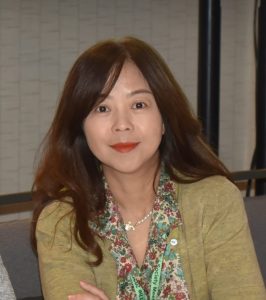
Dr. Wen Chen is a Research Scientist at Agriculture and Agri-Food Canada’s Ottawa Research and Development Centre. Her research integrates microbial ecology, genomics, and metagenomics to advance microbiome driven discovery in modern plant pathology. She investigates pathobiomes under biotic and abiotic stress, pathogen dispersal across air, water, and soil interfaces, and microbiome mediated disease suppression. Her work supports high resolution surveillance, risk modeling, and microbiome informed biocontrol strategies to strengthen climate resilient agricultural systems. On a broader scale, she studies how agricultural systems reshape environmental microbiomes and antimicrobial resistance across watershed ecosystems within a One Health framework. Dr. Chen holds an adjunct professorship at the University of Ottawa, serves as Senior Editor for the Canadian Journal of Plant Pathology, and previously served as Senior Director of the Canadian Phytopathological Society.
Dr. Peter Moffett

Dr. Peter Moffett is a Professor at Department of Biology University of Sherbrooke. His group studies the plant immune system, with the long-term goal of applying this knowledge to the generation of disease‑resistant plants. Dr. Moffett’s research uses several model plants to study interactions between plants and pathogens, including viruses and bacteria. This includes the investigation of how plants recognize pathogens, the signaling molecules involved in disease resistance and ultimately, how plants eliminate pathogens. His group also studies how bacterial pathogens manipulate plant metabolism to create an environment conducive to their growth, and how plants actively counteract these strategies. Many bacterial pathogens deploy type III secretion system (T3SS) effector proteins that reprogram host processes to enrich the apoplast with water and nutrients, thereby establishing an extracellular niche favorable for bacterial proliferation. At the same time, plants mount defense responses that modify apoplastic conditions, such as restricting water accumulation and limiting nutrient availability, suppressing pathogen growth. His group investigates how effectors reshape the plant–pathogen interface and how plants fight back to maintain control of their extracellular environment.
Dr. Hailing Jin

Dr. Hailing Jin is the Cy Mouradick Chair Professor in the Department of Microbiology & Plant Pathology at the University of California, Riverside, USA. Her research focuses on RNA biology, epigenetic regulation, and antimicrobial peptides in plant–microbe interactions, with the goal of developing innovative, environmentally sustainable strategies for controlling fungal and bacterial diseases in crops. Dr. Jin’s laboratory discovered cross-kingdom RNA communication between plants and their pathogens, as well as between bacteria and fungi, and established the critical role of extracellular vesicles in mediating this process. Her team further demonstrated that many fungal pathogens can efficiently uptake environmental RNAs and vesicles, providing a foundational basis for the development of spray-induced gene silencing technologies for crop protection.
Dr. Jin received her PhD from the Shanghai Institute of Plant Physiology & Ecology, Chinese Academy of Sciences, and completed postdoctoral training at the John Innes Centre (UK) and the University of California, Berkeley. She has published 118 peer-reviewed articles with 23,551 citations and an H-index of 69. Dr. Jin is a member of the U.S. National Academy of Sciences and the National Academy of Inventors, and a Fellow of the American Association for the Advancement of Science, the American Academy of Microbiology, the American Phytopathological Society, and the Canadian Institute for Advanced Research. She has also been recognized as a Highly Cited Researcher by Web of Science.
Dr. Mark Belmonte

Dr. Mark Belmonte, a Professor at the University of Manitoba, leads a research program at the intersection of plant biology and molecular genetics aimed at enhancing global food security. His work focuses on the complex cellular and molecular interactions between plants and their pathogens, with a primary emphasis on developing innovative, sustainable crop protection strategies. A cornerstone of his research is the use of RNA interference (RNAi) technology to create targeted molecular fungicides. By silencing essential genes in devastating fungal pathogens like Sclerotinia sclerotiorum (white mold), his team develops tools that protect high-value crops like canola while minimizing environmental impact.
Using advanced techniques such as laser microdissection and global transcriptomic profiling, the Belmonte Lab maps the genetic blueprints of plant-pathogen interactions at a cellular level. This systems-biology approach allows Belmonte and his team to identify the specific pathways plants use to defend themselves against biotic and abiotic stressors. Additionally, his work explores the efficacy of biostimulants to naturally boost plant vigour and disease resistance. By integrating fundamental discovery with applied agricultural biotechnology, Dr. Belmonte’s research provides the Canadian agricultural sector with next-generation tools to combat evolving pests and pathogens in a changing climate.
Dr. Awais Khan
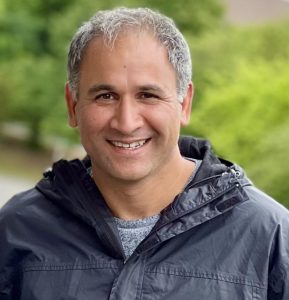
Dr. Awais Khan is a Professor at Cornell University, New York, USA in the Plant Pathology and Plant-Microbe Biology Section, leading a research program to characterize and utilize disease resistance in apples to develop cultivars with improved resistance. Dr. Awais Khan’s research career has taken him through some of the leading research institutions in the world. He has a PhD from the Swiss Federal Institute of Technology, Zurich, Switzerland (ETH) on fire blight of apples. Dr. Awais Khan obtained an MSc from the University of Gottingen, Germany. He also has research experience in applied genetics and breeding at the University of York, UK, and the University of Illinois, Urbana-Champaign, USA. Prior to taking this position, Dr. Khan led a global research program as a senior scientist at the International Potato Center (CIP) in Lima, Peru, a CGIAR center, to develop genomic tools to breed potatoes and sweetpotatoes with stress tolerance for Central and South Asia, sub-Saharan Africa, and Latin America, a critical need for adapting crops to thrive under climate change.
Dr. Awais Khan has published extensively in high impact scientific journals including Science, Nature Genetics, and Genome Research, on plant genetics, genomics, and bioinformatics and has given invited talks at international conferences globally. His research was highlighted in popular magazine as the Science Magazine, The economist and the New York Times. The unique aspect of his career is his work across five continents, six crops, and with breeders, geneticists, students, and farmers in both developing and developed countries for sustainable improvement of agriculture.
View full list of Dr. Khan’s publications on Google Scholar
Dr. John Rathjen
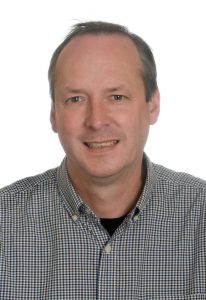
Professor John Rathjen’s research applies genomics and other approaches to investigate the evolution, population structure, and adaptive capacity of plant pathogens, particularly cereal rust fungi. His work integrates long‑read genome assembly, haplotype analysis, and population genomics to examine evolutionary processes. His research explores molecular determinants of virulence and host recognition including pathogen effectors and plant immune signalling pathways, and integration of plant physiology with immunity. Overall, his program aims to connect fundamental understanding of pathogen biology with practical approaches to resistance strategies relevant to cereal production systems.